The 8 year old girl said to her parents “Please stand up, I don’t want to die here. Please stand up and find the exit”. “If we stayed, we probably would have died.”
| 19.01.2022 | Poros | josoor | 40.8974383, 26.2221374 | Greece | Turkey | yes | yes | yes | yes | no | no | no | 8 - 43 | 40 | Syria, India, Cuba | detention, fingerprints taken, photos taken, no translator present, denial of access to toilets, denial of food/water, sexual assault, personal belongings taken, denial of access to medical attention | 44 | beating (with batons/hands/other), pushing people to the ground, insulting, sexual assault, forcing to undress, destruction of personal belongings, theft of personal belongings, reckless driving | 1 train steward; 5x men in dark blue/black blue uniforms, no insignia; 1 dark jeep; 1x driver; 10-20x “officers” in some type of unidentified uniform; 1x man in dark blue uniform; 5-6x people in dark blue uniform (incl. one woman, aka “boss”); 1x white van; 1x man in dark blue uniform; 2x people in dark blue uniform (incl. one woman with red curly hair); 4-5x men in dark blue uniforms, balaclavas, holding weapons; 1x white van; 1x white van; 4x men in "military" uniform, balaclavas, holding weapons; 1x truck; 5x men in blue trousers, blue pullovers, no balaclavas; 2x inflatable boats; 4x men in camouflage clothes, armed; 1x truck |
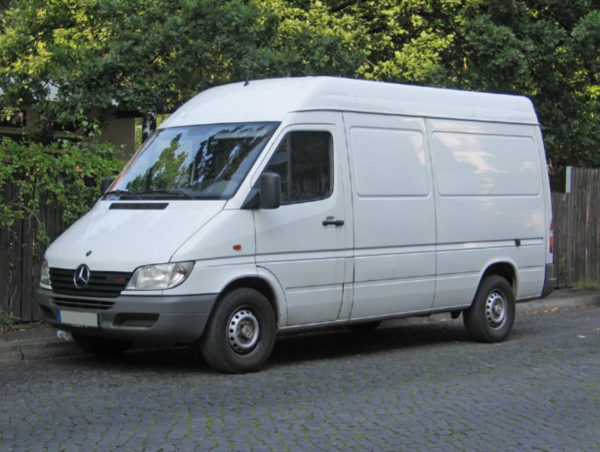
“It is hard to remember details, I still have nightmares” This testimony recounts a violent illegal expulsion of a Cuban family who had never set foot in Turkey. The respondent is a 33-year-old Cuban woman, who, along with her family – her 43-year-old husband, 16-year-old son, and 8-year-old daughter – and a close friend who was 37 years of age and was also Cuban, were expelled to Turkey after an traumatising ordeal at the hands of the Greek authorities. The initial apprehension took place in a train station in Thessaloniki, deep into the Greek mainland. The family of four left Cuba on 24th December 2021. They flew to Moscow, with the intention to work there. They were unaware however that legally, people entering the country on tourist visas are not allowed to work. They then decided to leave Moscow on 16th January 2022. They traveled to Serbia. Upon entrance to Serbia, they faced several problems. The border officials asked for return tickets to Moscow and to Cuba. The respondent remarked that they thought they were asked these questions because the officials thought they would try to stay. They were also asked for financial statements, and PCR Covid tests, among other paperwork. Apparently, the family had everything and they were able to go through it, but it was a hassle. In Serbia, they met their 37-year-old Cuban friend. From Serbia, the group of five crossed the land border to North Macedonia on 17th January. After crossing the border they traveled half their time by car and half their time by walking until they made it to the Greek border with N. Macedonia. They entered Greece on 18th January 2022. The transit group arrived in Polykastro at around 11 am on 18th January. In Polykastro, they bought tickets to go to Thessaloniki via bus. Their bus was at about 2 pm that day, and it took around 45 minutes. From Thessaloniki, they bought train tickets to Athens. This train was scheduled to leave at 6 pm. They boarded the train, and the respondent reported that a steward asked for their passports and seat numbers. He opened their passports and noticed that there was no permit or stamp to come into the country. The steward asked them, in Greek (they used google translate to understand) if they had permits outside of their passports. The Cuban family responded that they did not. They were given their passports back, and then very shortly after, the respondent recalls that five officers turned up. They were wearing dark blue/ black uniforms. She did not recall any insignia. They had their passports removed from their possession here, but were allowed to keep their backpacks. When they were eventually taken to the police station, they were taken by these officers. On the train, the officers told the Cuban family that they would be taken to a police station. The respondent explained that her family and their friend asked for asylum through google translate on the phone to the officers. They were told they would be given a paper to allow them to stay for 25 days so they could apply for asylum in the EU. Because the Cuban family did not speak Greek, and the officers did not speak Spanish, the communication was being facilitated through google translate using their phones. At this stage, they still had their backpacks. The whole ordeal on the train occurred around 6 pm. It was already turning dark. The respondent recalled some messages she sent to her family at 6.23 pm which she believes to be around the time of the apprehension. The back and forth google translation took some minutes. After this, the group of five was taken directly to a car, which was thought to be a jeep and dark in color. The respondent was not able to remember more. They were loaded into the dark jeep. There were two men in the car, one was from the train. They were the only ones who were loaded into the car, and they were the only ones taken off the train. The car ride was about 10 minutes in total, it was a very short journey. They arrived at what the respondent referred to as a “police station”. Here is where they reportedly all had their phones taken from them. As soon as they arrived the “police” ordered the group to switch off their phones and give their phones to them. Five phones were taken in total, the respondent recounted – 1 iPhone, 2 Redmi, and 2 Xiaomi. They were made to wait on a bench. They recall seeing lots of people inside this station, specifically nationalities that were Indian, Palestinian, and Syrian, amongst other people from the “Middle East”. They were not able to identify how many people there were. To communicate with the officers, they used one of the officers' phones to translate. The Cuban group understood that they were at this “police station” to get the paperwork to allow them to apply for asylum. Apparently, the officers here were “super calm”. In total, they spent about 20 minutes here. The female respondent does not remember exactly how many “officers” were there, she suggested there were perhaps around 10-20 entering and exiting the “station”. They were all wearing uniforms but the respondent was unable to remember what they looked like aside from this. “It is hard to remember details, I still have nightmares,” remarked the respondent. After approximately 20 minutes, the respondent and her husband exited the police station. They were not handcuffed. The respondent reported that they were taken away in a car and that it was the same “police officer” who took their passports and phones and who was now sitting next to the driver of the car. The respondent remembered that their phones and passports were transported with them (but in the possession of these “officers”). They were loaded into this car just before 7 pm. They were driven for approximately 30 minutes. The driving was reportedly very fast. “They were hitting us against the side of the car” remarked the respondent. They were driven on a “normal” paved road, not a dirt road. It was also only them in the car, no other people were taken from the “police station”. They soon arrived at the second place of detention. The man, identified as an “officer”, who had their passports and phones, handed the items to another man (also identified as an “officer”) at this detention site. They explained it was sort of a “handover” to the man on shift at this place, who was wearing a dark blue uniform. The respondent described that the detention site was very narrow inside. When you go into the building, you walk through the front door. There was a very long passage leading to some offices and rooms inside. There was also a door that led to the cell area, where there were two cells. The five Cuban group members were put in one of the rooms, which had mattresses on the floor. At this station, there were about five or six “officers” wearing dark blue uniforms. Amongst these officers, there was a female officer who the Cuban group thought was the boss, because of her attitude and everyone was relying on her to do something. The respondent remarked, “this woman is known by the Cuban community [in Turkey, after pushbacks] of people expelled from Greece. They all say she is the boss”. From this room, two “officers” (included in the five to six previously mentioned) reportedly took the father from the group. When they came to take the father, they had brought the group's gym bag that they had taken from him. This bag contained a change of clothes and money. A total of 7080€ was inside this bag. These “officers” forcibly searched the Cuban father, and while this happened, the Cuban mother was asked by two other “officers” to leave the room. She described that she was taken to another room where officers wrote down the total amount of money that was taken from the group of five. She was told in the following days she would get it back when she was released. She believed that she was there as a witness and that she would get it back and was a witness to it. However, she did not sign any paper of sorts regarding this. The Cuban father was searched for what the respondent said was a “long time”, and while searching him, wearing gloves, the officers found 90 € in his pocket. These two officers got very angry with him and they thought he was hiding it. According to the respondent, they forced him to strip and conducted a rigorous body search. They made him squat and jump to see if he was hiding anything. His clothes were returned to him afterwards. After searching the father, he was forced to give his fingerprints with ink. After this, he was told to wash his hands in a cell (separate from the room), but when he went inside to do this he was then not allowed out of the cell. At that moment, officers came into the room with the rest of the Cuban group and took the Cuban friend. The same ordeal happened to the friend: he was reportedly strip-searched, made to jump and squat, and then detained in the cell along with the father. Before the mother was taken to be searched, she asked about her husband. The officers explained that he would stay in the cell. At this point, the daughter started yelling and became very distressed. In response to this, the husband was brought back to the room to be with the daughter. After the friend was taken to the cell (where he was kept), the “officers” came to the mother and took her for a search. The mother explained that she suffers from a hormonal problem where she normally does not get her period, but because of the stress of their ordeal, she was bleeding a lot and needed pads, but the officers did not listen to her request. The respondent recounted that two officers ordered her to get naked. They were all male. However, the respondent knew her rights and told them they did not have the right to do this to her [in Spanish], and she needed a female officer. The officers said no to her request/ statement. She explained that these two officers violently took the woman and pushed her up against the wall of the room they were in. Then, they forcibly pulled her trousers down, and they saw everything was filled with blood (because of her excessive bleeding). But she stated that these officers made her remove her underwear and put them in the rubbish bin. They then made her squat. In the moment after squatting, they made her lift up her pullover, to just underneath her bra. They then searched her, touching her back and her waist area. Then they searched the upper part of her chest but this part was over her pullover. The ordeal lasted for 20 minutes in total. She reported that they did not give her any help for her period; they forced her to put her clothes back on, covered in blood, without her underwear. Then, she was returned to the room, where her husband still was. Then the respondent explained that these two “officers” tried to take the 16-year-old boy to be searched. The respondent and her husband refused and stated because he was a minor they were not allowed to do that. When they refused, the police did not really answer and tried to take him. The couple continued to resist them, and eventually, the police gave up because they put up so much resistance. The 8-year-old girl had her photo taken of her, by “officers”, but she was not searched. All of this took a total of between one and two hours. There were two cells in this detention site; in the one where the Cuban friend was, there was also a Russian man and a Serbian man. In the other cell, there was a Pakistani man, a Palestinian man, and another man who they were not sure where he was from but identified him as “Arab” (was later confirmed as Syrian). There was a door opening to the cell area and the cell area was long. There were two cells next to each other but separated by walls. In the first cell, the Russian man started acting aggressively. So the “officers” ended up going inside the cell and gave him a pill. The Cubans were not able to identify what the pill was, but after he took it (consensually/of his own accord), he relaxed. The people in the cell with the Cuban friend were asking for his nationality, and when he said he was Cuban, they said: “not to worry, everything will be fine. You are Cuban.” He was also offered pills by the people in the cell, as they had reportedly been given a lot of pills. They were dividing them amongst themselves. The transit group was kept in this detention site until about 10 or 11 am in the morning on 19th January. The respondent reported that they were not allowed to go to the bathroom throughout the whole time they were there. The daughter of the Cuban family had to go pee herself in her trousers - which happened twice. The Cuban family remained alone in their cell. They were not given any food, or medical assistance throughout their time there. However, they had been allowed to keep their backpacks, which contained clothes, a tablet, a laptop, toiletries, and some food. The group did not see anyone else, nor was anyone else brought into the cells or rooms overnight. The friend also confirmed this as he was in the cell and separated from the rest of the group. The transit group was removed from the detention site at around 10-11 am in the morning. The respondent explained that she did not have a chance to see the outside of the detention site, as they were transported straight from the facility into a van outside. This van was white in color and described as “big”. Inside the van, it was empty and had "benches". The respondent identified the van to be the same as in Image 1.